Reducing kitchen waste
Storing produce to last longer, separating organics where green-bin collection exists, and using more of what you buy. Practical for both backyard composting and apartment programs.
Kindred Living gathers plain-language notes on reducing kitchen waste, picking durable reusable materials, and trimming energy and water use — written for the realities of Canadian households and municipal collection rules.
Most of the waste leaving a home comes from a handful of routines: how food is stored and discarded, which everyday items are single-use, and how much energy and water a household draws. Each topic below collects concrete steps rather than slogans.
Storing produce to last longer, separating organics where green-bin collection exists, and using more of what you buy. Practical for both backyard composting and apartment programs.
How glass, stainless steel, silicone, and natural fibres compare for everyday swaps — and when a reusable item only pays off after many uses.
Low-effort habits around lighting, laundry, heating, and water use that reduce both consumption and monthly utility costs through a Canadian winter.

Across Canada, what counts as recyclable or compostable depends on the municipality running collection. Many regions accept residential organics through a green-bin program, while accepted plastics and glass differ between provinces and even neighbouring cities.
Before buying new bins or labels, it helps to check the waste-collection page for your own city or region and sort to those exact categories. The habits in these guides are written to work alongside whatever rules apply where you live.
None of these requires special equipment. Each one removes a recurring source of waste rather than relying on a one-time purchase.
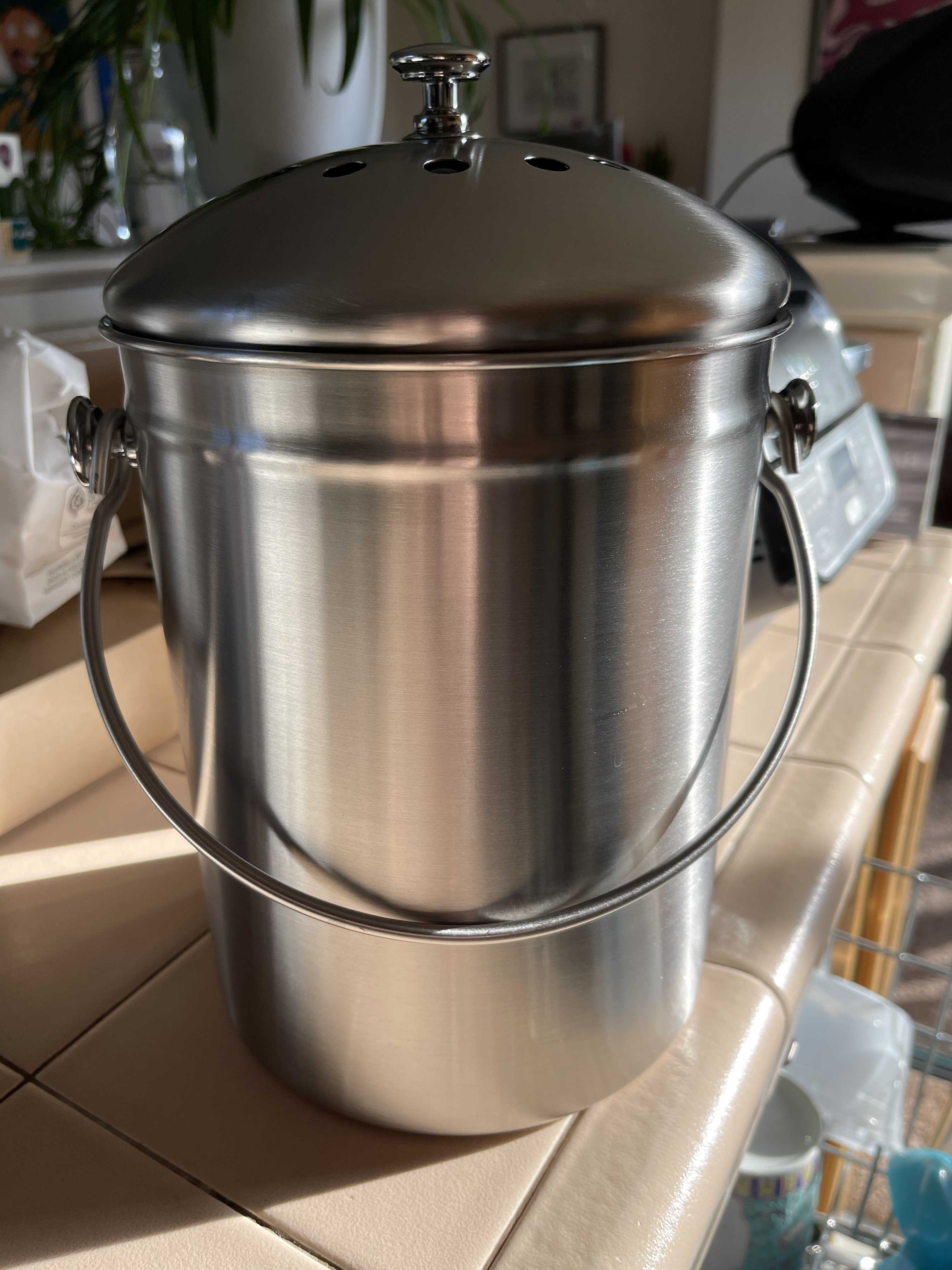
Keep a lidded container near the counter for vegetable trimmings, coffee grounds, and eggshells, then empty it into a green bin or backyard compost.
Store a few folded cloth bags where you put on your shoes so they travel with you instead of staying in a cupboard.
Build one weekly meal around items already in the fridge or pantry to cut the food that gets thrown out unused.
Wait for full laundry and dishwasher loads and use cold or warm cycles where the items allow, lowering both energy and water use.
If something on this site is unclear, out of date, or conflicts with the rules in your municipality, send a note. Reader corrections help keep the guides accurate.